Evidence · AI · Conservation
Reshaping how AI and biodiversity evidence interact to improve conservation decision-making.
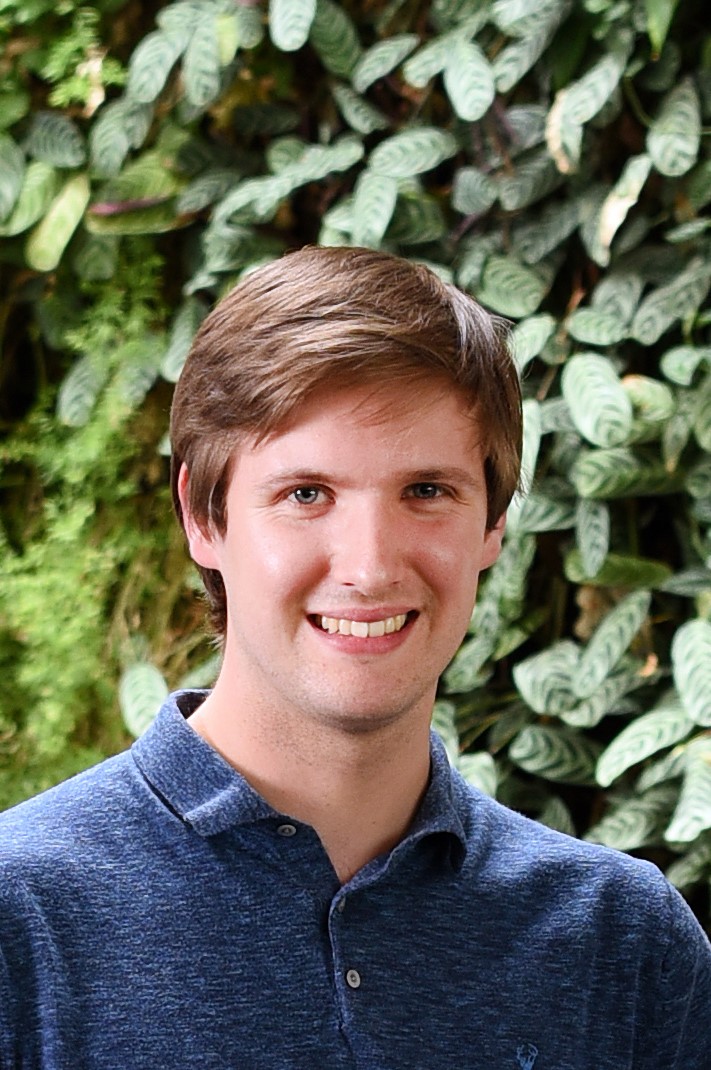
Imperial College Research Fellow
Centre for Environmental Policy · Imperial College London
I am an independent research fellow evaluating whether Artificial Intelligence is fit-for-purpose to inform evidence-based conservation and environmental decision-making.
I have a strong track record of leading interdisciplinary projects, securing competitive funding, and engaging with networks of policymakers and practitioners. My work spans AI evaluation and benchmarking, evidence synthesis, and the design of decision-support tools that put reliable evidence into the hands of conservation practitioners and policymakers.
I created the Conservation Evidence AI project, developing AI-assisted pipelines that reduce manual evidence-review times from years to weeks, and I am co-developing a Conservation Evidence Co-pilot to make evidence more accessible to end-users.
My research has two current strands that aim to answer the following research questions:
1. Does using evidence lead to better decisions and better outcomes, and under what conditions? (i.e. what is the return-on-investment in using evidence?)
2. Can we accelerate and upscale evidence synthesis using AI to provide robust and tailored information to practitioners and decision-makers?
Centre for Environmental Policy, Imperial College London
Awarded a highly competitive fellowship to lead independent research on using AI to improve evidence use in conservation. Leading evaluations of how Large Language Models answer practitioners' questions on conservation interventions, and co-developing a Conservation Evidence Co-pilot. Co-lead for the People & Nature research cluster. Nominated as one of 10 Imperial applicants to the UKRI Future Leaders Fellowship.
Downing College, University of Cambridge
Established an independent project on combining diverse evidence and using AI to accelerate evidence synthesis. Creator of the Conservation Evidence AI project, securing several major grants and building an AI-assisted pipeline that identifies relevant studies and reduces manual review from years to weeks. Co-designed the Evidence-to-Decision tool with 15+ Evidence Champion organisations.
BioRISC, University of Cambridge
Developed dynamic meta-analysis methods for interactively presenting evidence via a web-based decision-support tool that informed the Chinese Government's invasive plant control strategy.
Cambridge · Open University
Visiting Researcher, Conservation Evidence (University of Cambridge).
Associate Lecturer, Ecosystems (S397), The Open University.
Bye-Fellow, Downing College.
Guest lecturer on Imperial's MSc Conservation Science & Practice (previously co-convenor from 2022–24).
A selection of 25 papers. * denotes lead, senior, or corresponding author. Full list on Google Scholar.
Total funding as PI: £1,068,000 · as Co-I: £155,000.
Conservation Co-pilot to improve access to evidence, with Cambridge Centre for Science and Policy.
1 yrAI to mobilise global and local knowledge for better conservation decisions.
4 yrAI-assisted pipelines and Co-pilot tools for Conservation Evidence.
2 yrAI for Climate & Nature: LLM pipelines to collate conservation evidence.
2 yrTwo workshops: One Health Surveillance & AI; Embedding Conservation Evidence Use.
3 moPrototype tool to standardise outcomes of invasive species interventions globally.
1 yrScoping climate risk assessment methods for food systems.
9 moApp to collate local knowledge on climate mitigation actions in Bangladesh.
6 moAssessing Global Evidence for Local Conservation Decisions.
3 yrFully funded PhD studentship on evidence gaps and biases in conservation.
3.5 yrHonorary full PhD scholarship for outstanding undergraduate performance.
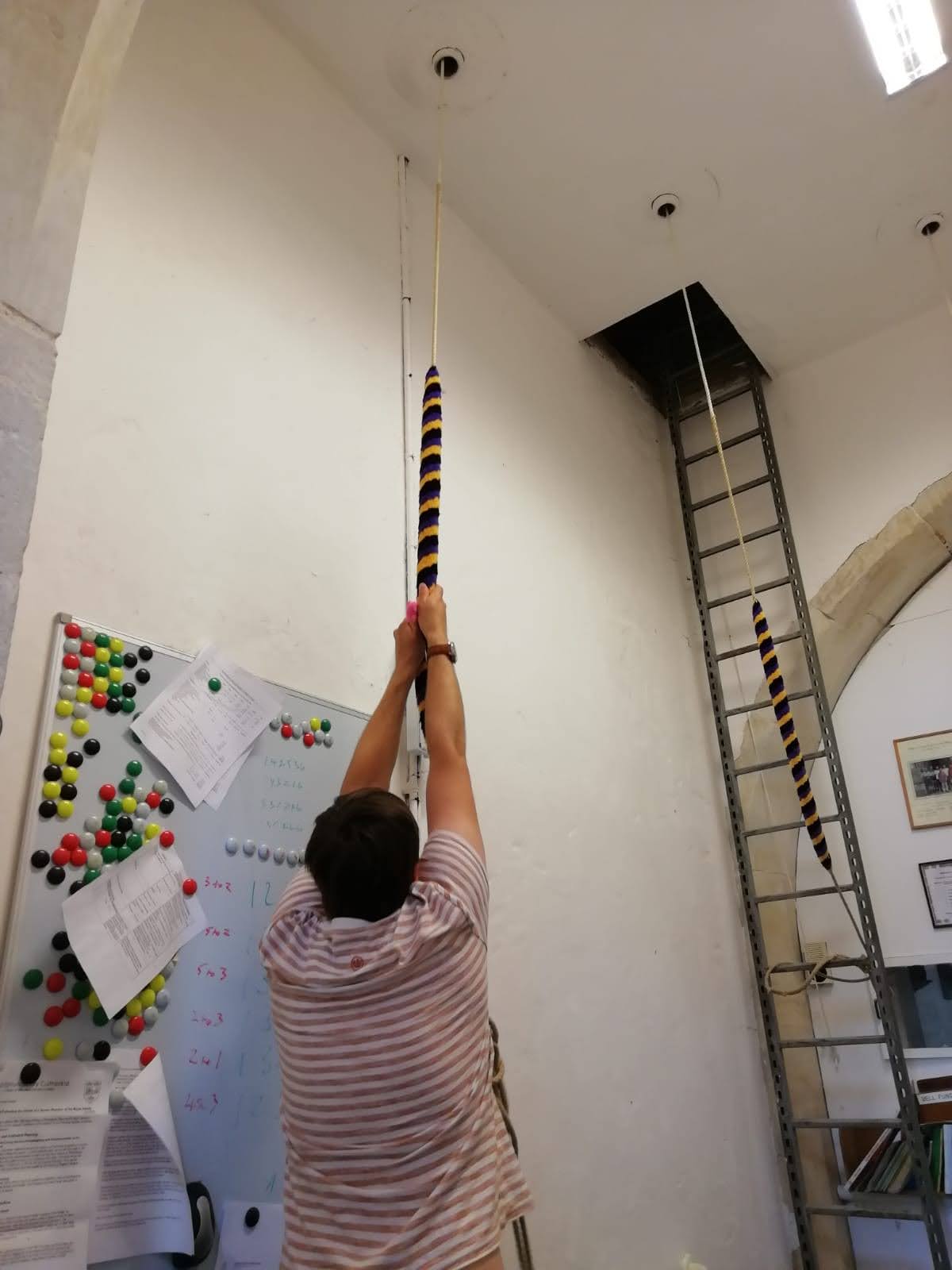
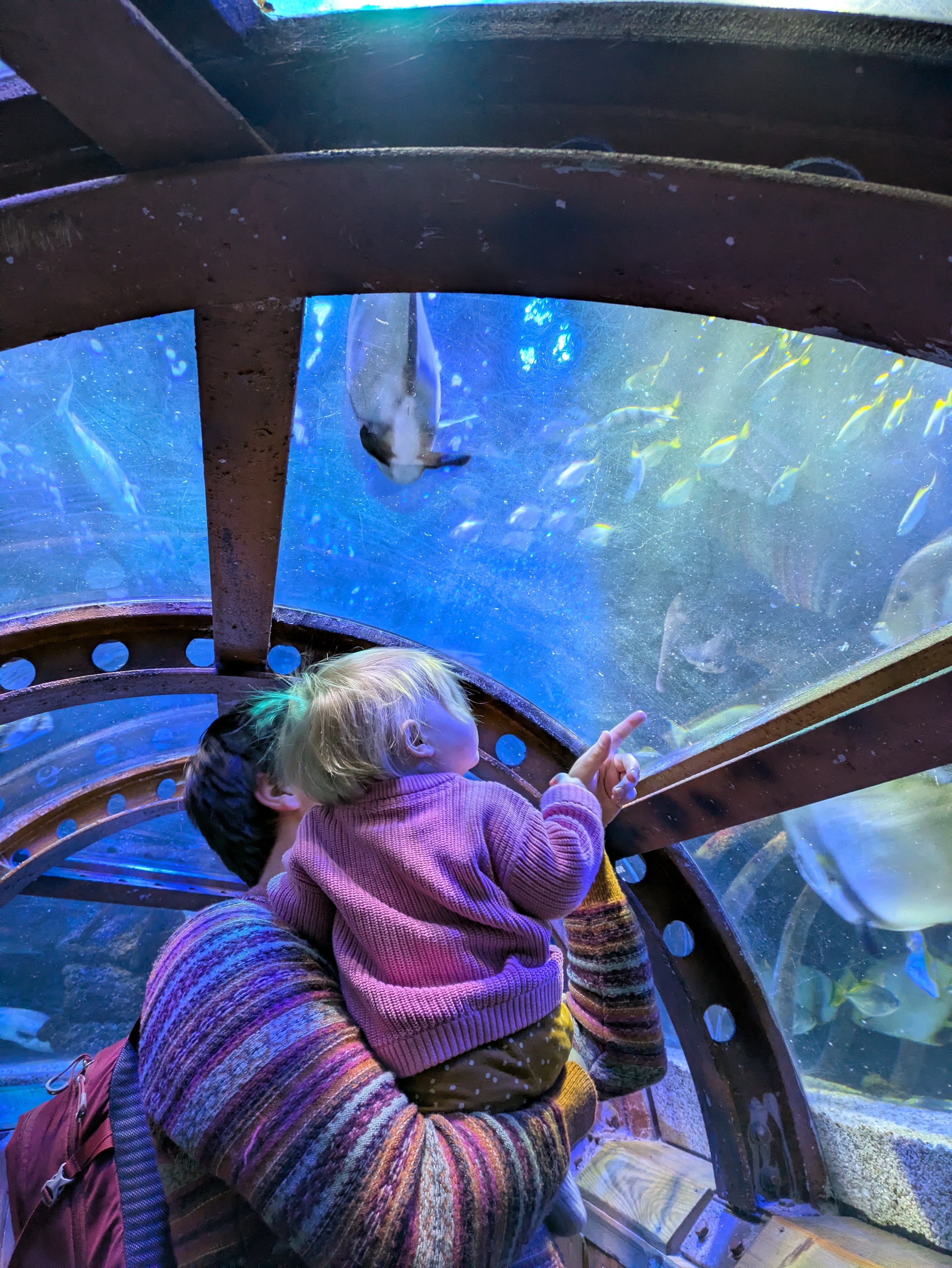
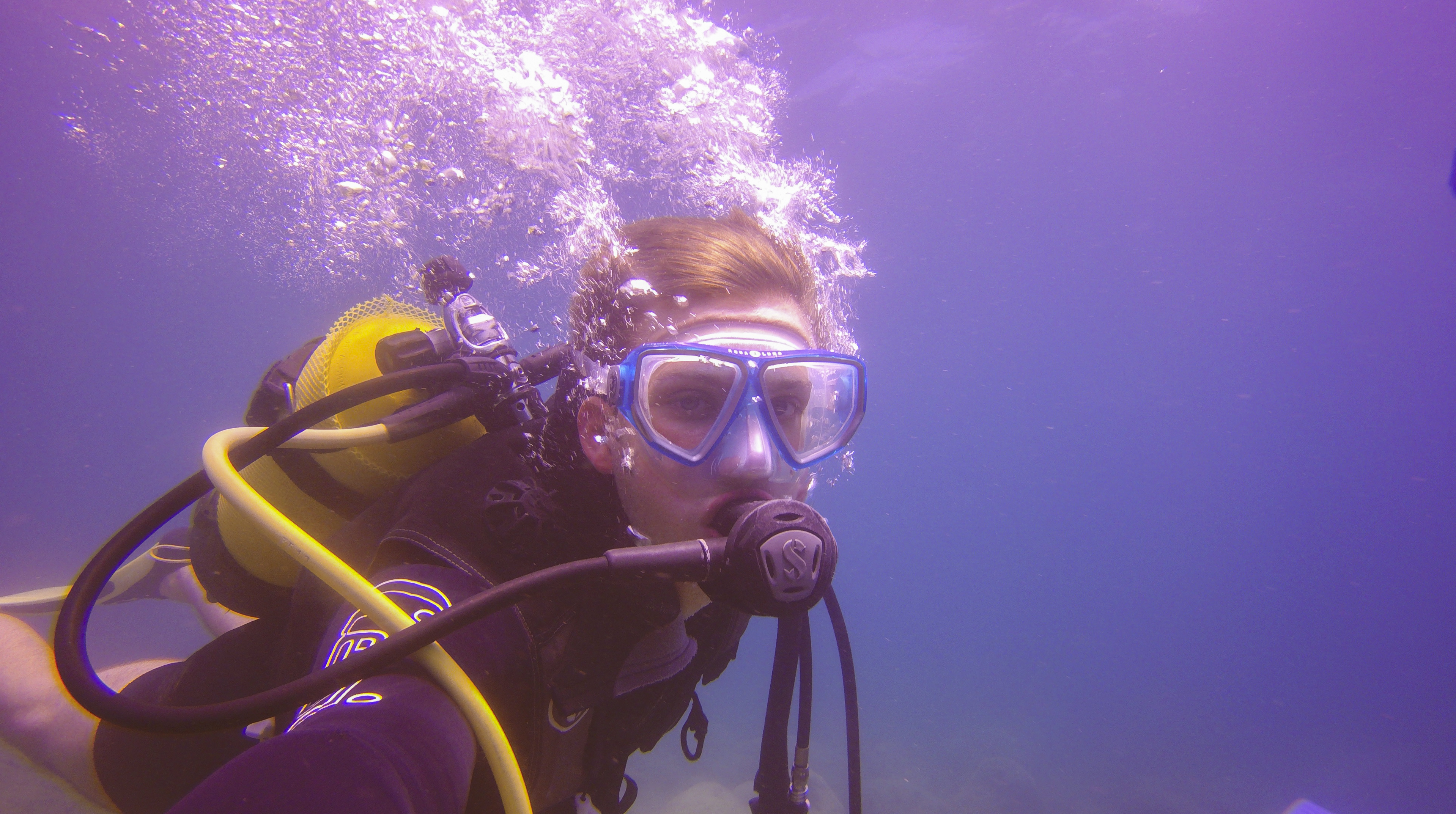
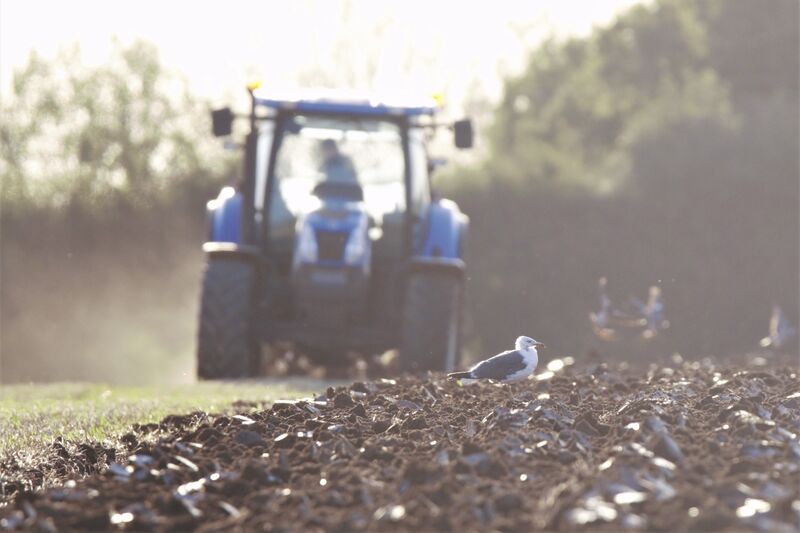
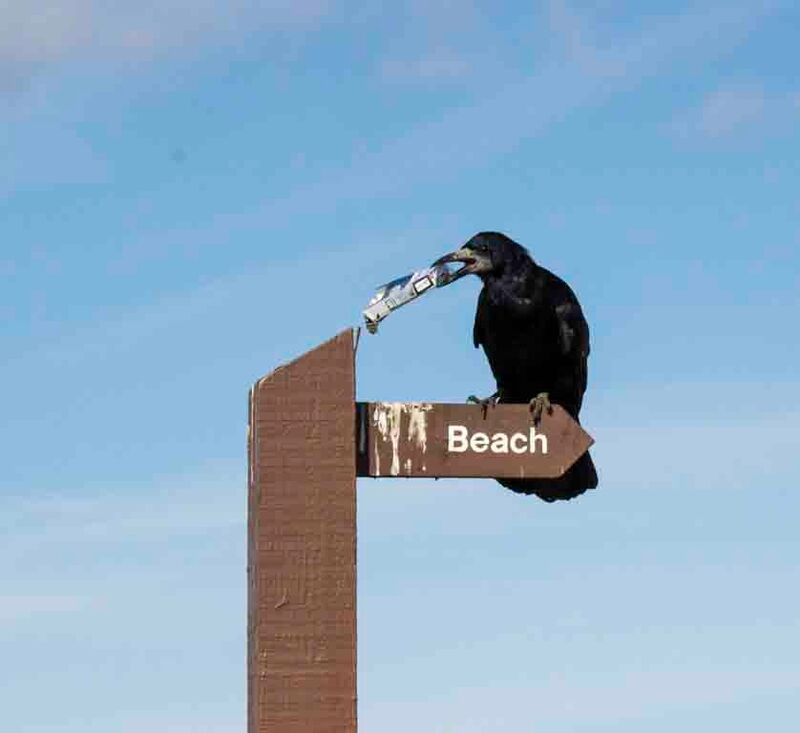
3 yrBellringer, wildlife photographer and gardener, but mostly daddy to Merryn. Keen on hiking, orienteering, running, kayaking and diving — and once appeared on ITV's The Chase.
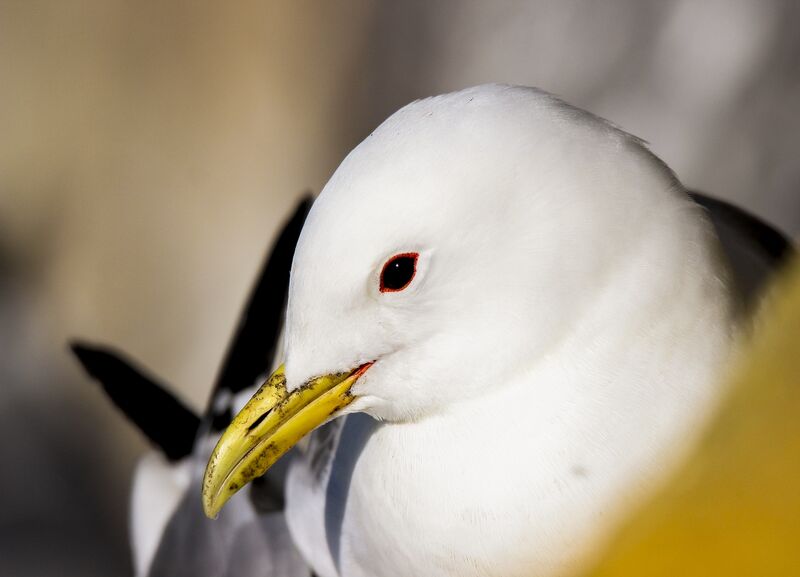
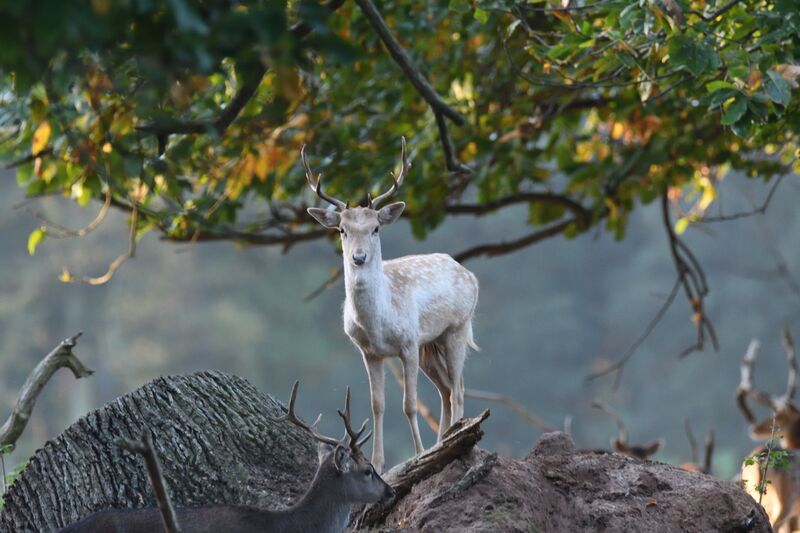
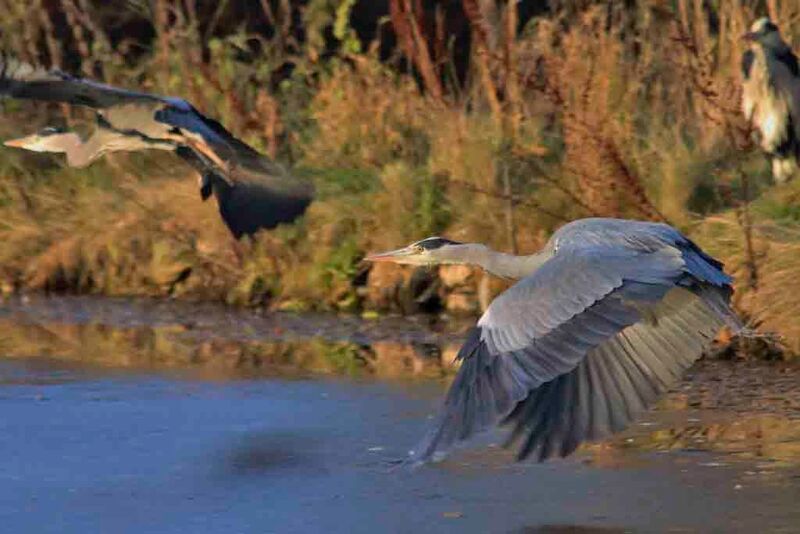
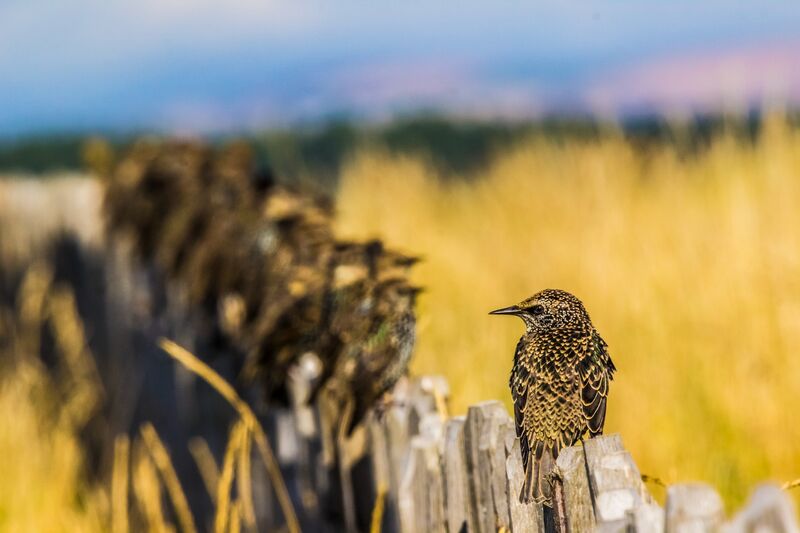
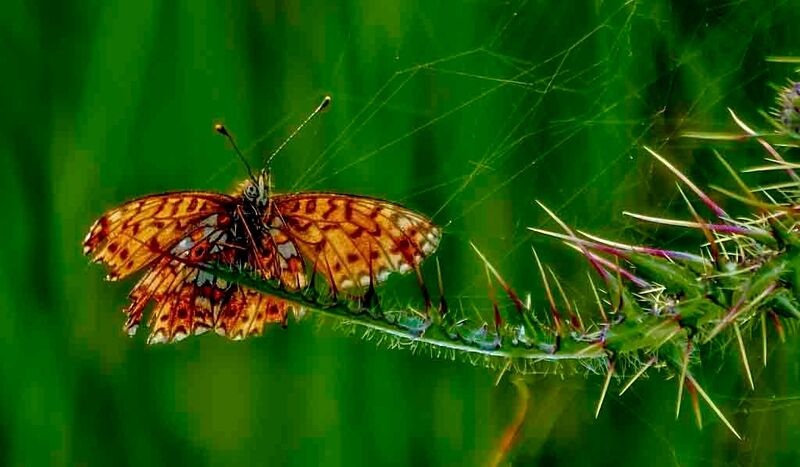
A small selection of my wildlife photography below; click any image to view it larger.